
How to Use Powder Pigments? Dosage, Mixing and Application Guide
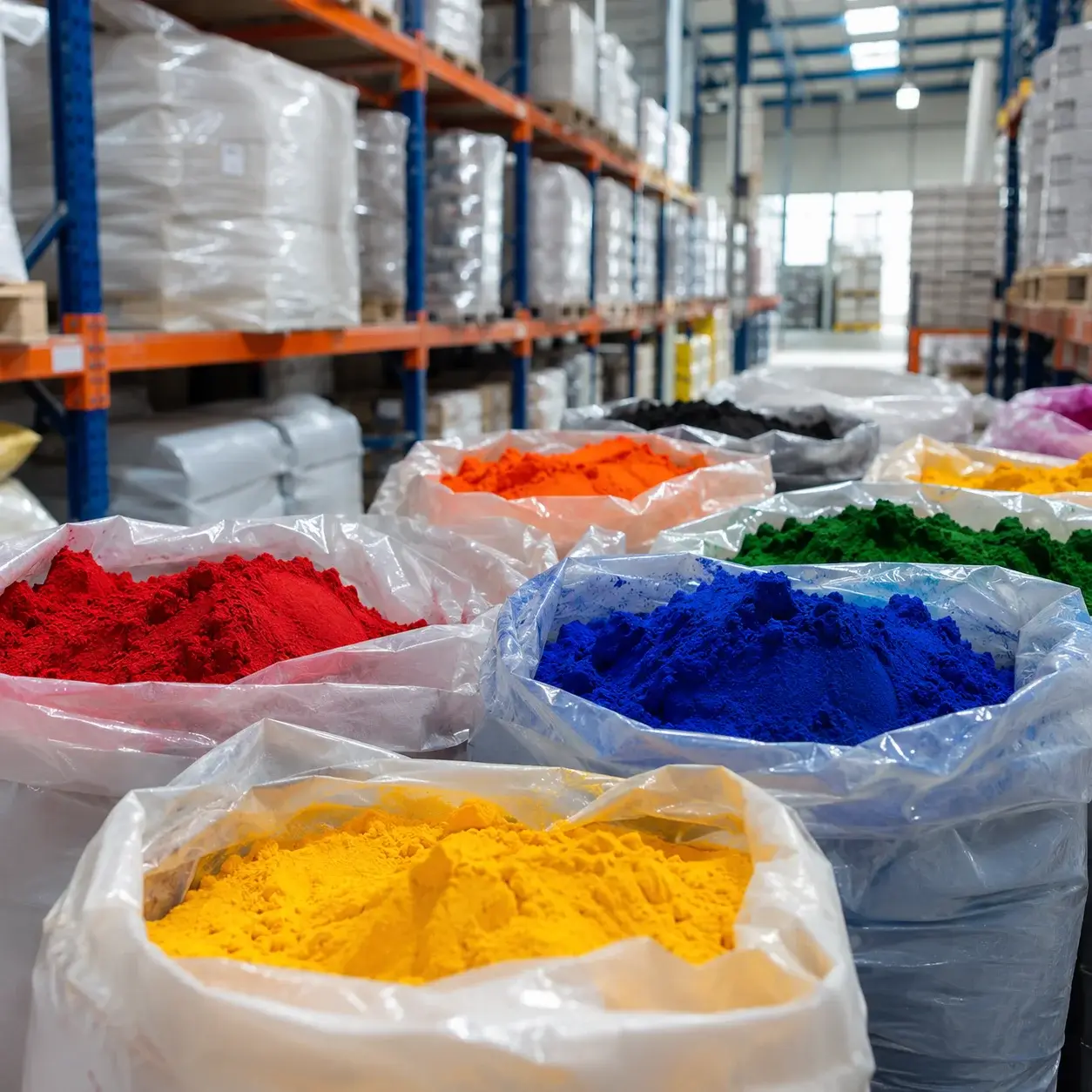
Powder pigments are widely used coloring materials in various industries, including plastics, paints, rubber, epoxy, textiles and industrial coatings. Proper pigment selection and application are essential for achieving consistent colors, high-quality surfaces and reliable production performance.
Correct dosage, mixing methods and application conditions directly affect color intensity, dispersion quality and the final appearance of manufactured products.
In this guide, we explain how to use powder pigments, how to determine the appropriate dosage and what to consider when applying them across different industries.
Why Is Proper Powder Pigment Application Important?
Powder pigments must be properly dispersed within the material to achieve uniform and consistent coloration. Incorrect dosage or insufficient mixing can lead to various production problems.
Proper pigment application can provide several benefits:
- More uniform color distribution
- Better control over the desired color shade
- Improved batch-to-batch color consistency
- More efficient raw material consumption
- Reduced surface defects
- Improved production quality
How to Use Powder Pigments
The application method depends on the pigment type and the material being colored. Different mixing and processing techniques are used for plastics, paints, epoxy systems and rubber products.
1. Select the Right Pigment Type
The first step is to identify the intended application and manufacturing system.
For example:
- Organic and inorganic pigments compatible with polymers for plastic manufacturing
- Pigments suitable for specific binder systems in paint production
- Colorants compatible with resin systems for epoxy applications
- Heat-resistant pigments for rubber manufacturing and vulcanization
- Pigments suitable for textile printing and coating systems
2. Determine the Appropriate Pigment Dosage
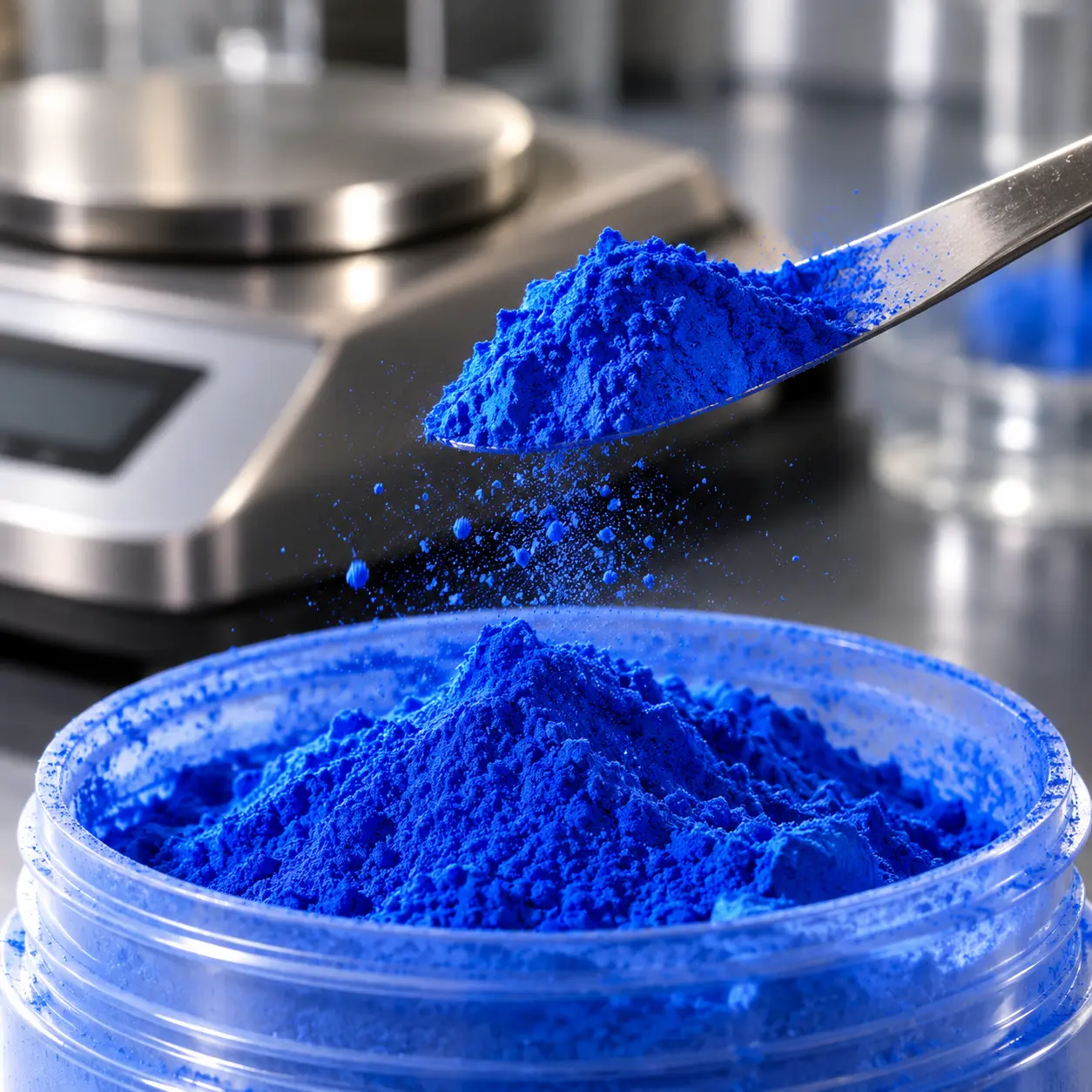
There is no universal dosage rate for powder pigments. The required amount depends on pigment color strength, desired color intensity, base material and production method.
High-strength pigments may achieve the desired color at relatively low concentrations, while other applications may require higher pigment loading.
The optimal dosage should be determined through laboratory trials and technical product data.
3. Ensure Proper Mixing and Dispersion
Uniform pigment distribution throughout the formulation is essential for achieving consistent color performance.
Insufficient mixing can cause pigment agglomeration, uneven coloration and surface defects. Therefore, mixing equipment and processing conditions should be suitable for the specific application.
4. Perform Sample Testing and Color Evaluation
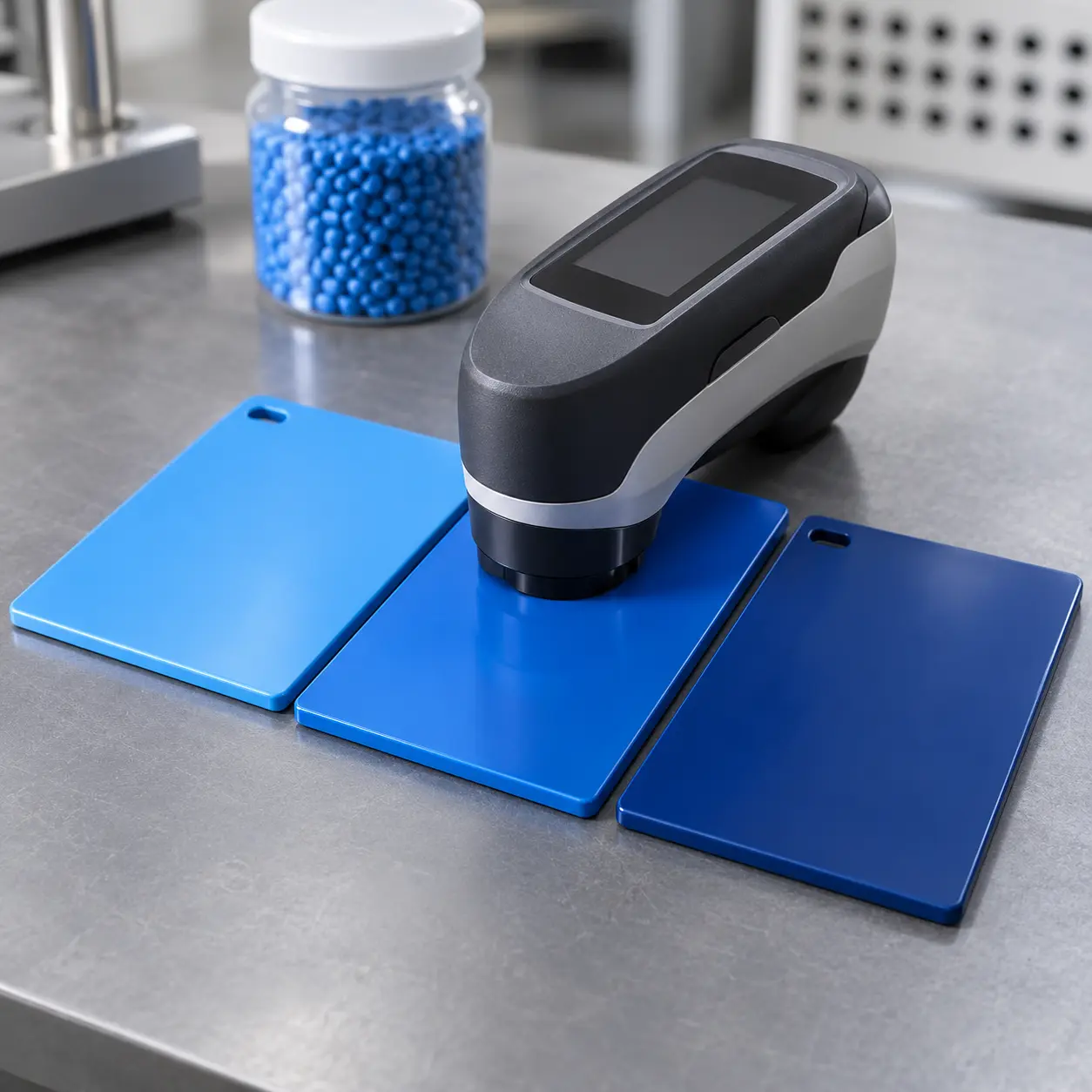
Before starting full-scale production, small-scale trials are recommended. Samples should be evaluated for color shade, color strength, dispersion and, where necessary, heat resistance.
This process helps identify potential formulation issues before large-scale manufacturing begins.
Powder Pigment Applications Across Different Industries
Plastic and Masterbatch Manufacturing
In plastic manufacturing, powder pigments are incorporated into polymer formulations under suitable mixing and processing conditions. In masterbatch production, pigments are combined with carrier polymers and other necessary additives.
Heat resistance, polymer compatibility and dispersion performance are particularly important in these applications.
Explore our inorganic pigments.
Paints and Industrial Coatings
In paint manufacturing, pigments are incorporated into formulations containing binders and other components. Proper wetting and dispersion are important for achieving the desired color strength and opacity.
Selecting the right pigment helps manufacturers achieve the required color and performance characteristics.
Epoxy and Resin Applications
When selecting pigments for epoxy systems, compatibility with the resin and hardener system must be considered. Uniform mixing is essential for achieving consistent coloration.
Rubber and EPDM Manufacturing
Pigments used in rubber manufacturing must be compatible with mixing and vulcanization conditions. Heat resistance, color stability and dispersion properties should be carefully evaluated.
Common Mistakes When Using Powder Pigments
Many production problems can result from incorrect pigment selection or unsuitable application conditions.
- Selecting a pigment that is unsuitable for the application
- Determining dosage without reviewing technical specifications
- Using insufficient mixing conditions
- Ignoring pigment heat resistance
- Failing to check polymer or binder compatibility
- Starting mass production without laboratory testing
What Are the Main Types of Powder Pigments?
Several types of powder pigments are used in industrial manufacturing:
Organic Pigments
Organic pigments are known for their high color strength and wide range of shades. They are used in plastics, paints, rubber and various industrial applications.
Inorganic Pigments
Inorganic pigments are valued for their heat resistance, chemical stability and opacity in many industrial applications.
Pearl and Effect Pigments
Pearl and effect pigments create special visual effects, including shimmer, iridescence and decorative finishes.
Explore pearl and effect pigments.
Fluorescent Pigments
Fluorescent pigments are used to achieve bright, highly visible colors in various industrial and decorative applications.
What Should You Consider When Buying Powder Pigments?
Working with a reliable pigment supplier is important for maintaining product quality and production continuity.
Before purchasing powder pigments, manufacturers should evaluate the following factors:
- Technical Data Sheet (TDS)
- Color strength and shade
- Heat and light resistance
- Compatibility with the application system
- Minimum order quantity
- Stock availability and supply continuity
- Technical support and alternative product options
Tüver Pigment – Your Powder Pigment Supplier
At Tüver Pigment, we supply a wide range of powder pigments for plastics, paints, rubber, coatings and various industrial applications.
Our product portfolio includes organic pigments, inorganic pigments, pearl and effect pigments, fluorescent pigments and specialty color solutions designed for different manufacturing requirements.
We aim to support manufacturers in finding suitable pigment solutions based on their application requirements and technical specifications.
Contact Tüver Pigment to explore our product range, request technical information and receive a quotation for your pigment requirements.
Tüver Pigment – Your Color Partner in Manufacturing.
Frequently Asked Questions
Can powder pigments be used directly?
It depends on the application. Some systems allow direct dosing, while others require pre-mixing or dispersion before use.
What is the recommended dosage of powder pigments?
The dosage depends on pigment type, color strength, base material and the desired color intensity.
Can powder pigments be mixed with water?
Not all pigments are water-soluble or self-dispersible in water. The pigment's technical properties and the application system must be considered.
How are powder pigments used in plastic manufacturing?
Powder pigments are combined with polymer materials under suitable mixing and processing conditions. Direct pigmentation or masterbatch methods may be used.
Where can I buy industrial powder pigments?
Industrial powder pigments can be sourced from specialized pigment suppliers offering application-specific products and technical documentation.