Resource Center
November 13, 2026
What Are Powder Pigments? Types, Applications and How to Choose the Right Pigment
Powder pigments are widely used colorants in various industrial applications, including plastics, paints, coatings, rubber, textiles and epoxy systems. Thanks to their wide color range, excellent coloring properties and versatility, powder pigments play an important role in modern manufacturing processes.
Selecting the right pigment is essential for achieving consistent color, product quality and reliable production performance. Factors such as heat resistance, lightfastness, chemical resistance, dispersion and application compatibility should all be considered.
In this guide, we explore what powder pigments are, their main types, industrial applications and the key factors to consider when selecting the right pigment.
What Are Powder Pigments?
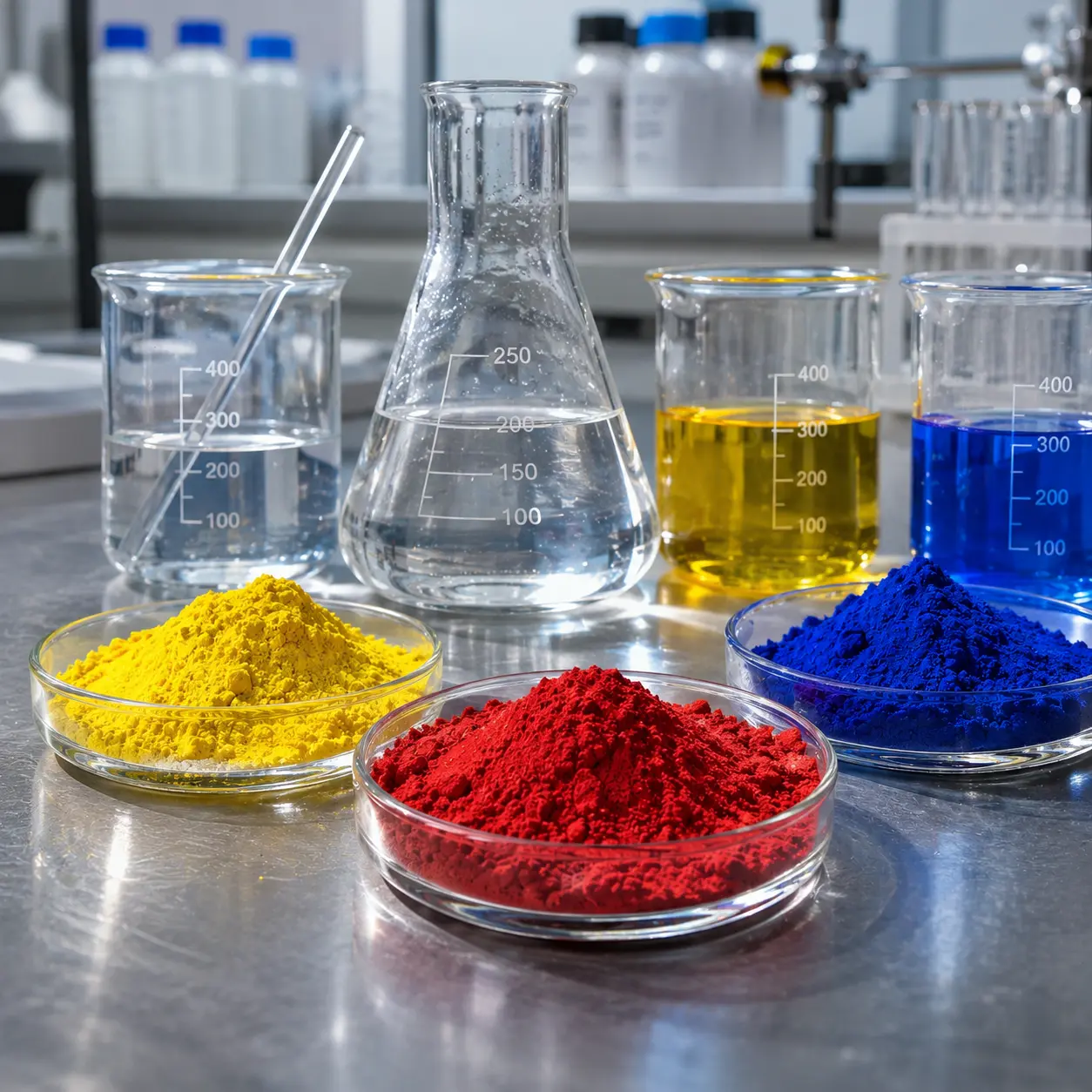
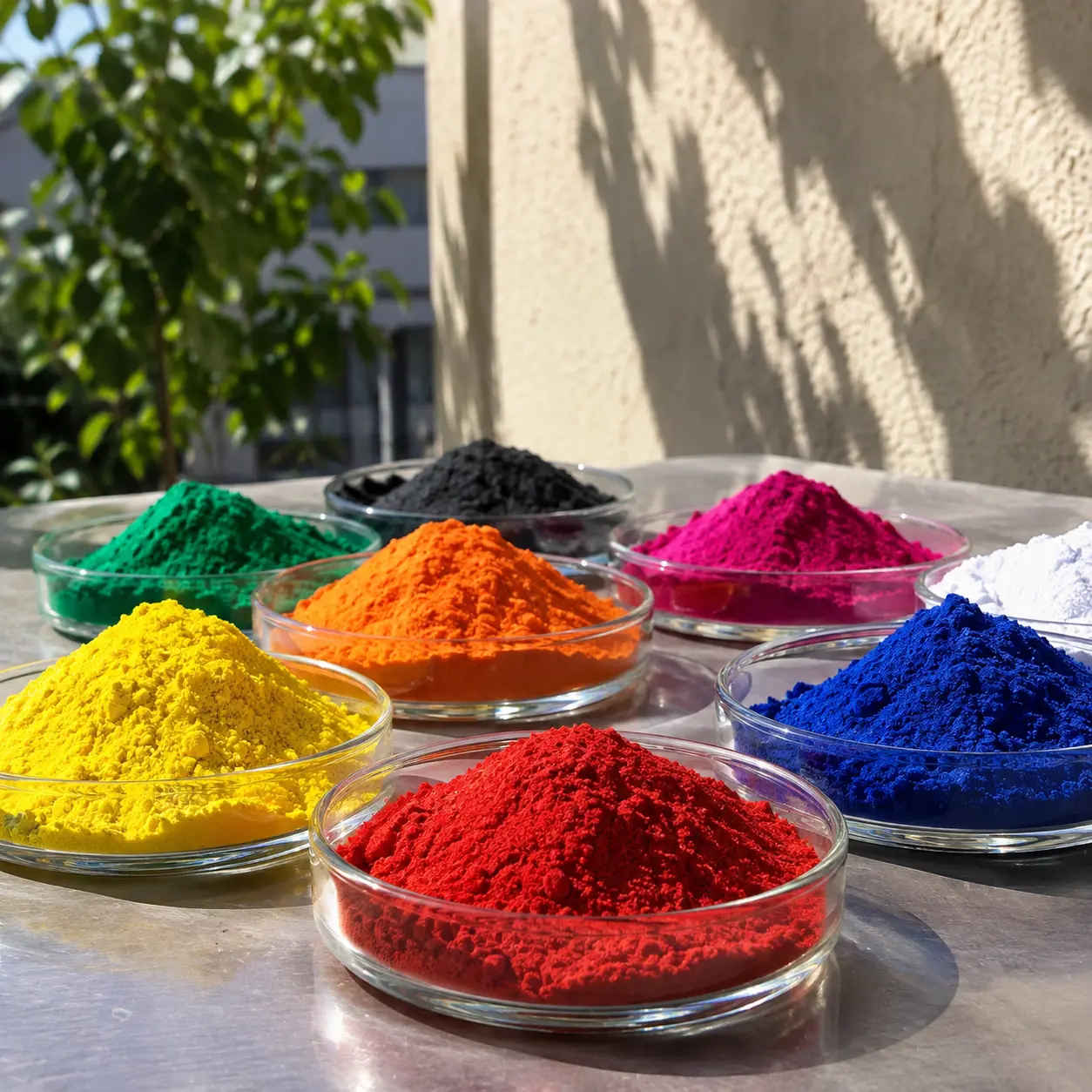
Powder pigments are finely divided solid coloring materials used to provide color to different products and materials. They are commonly incorporated into formulations used in plastics, paints, coatings, rubber and other industrial applications.
Unlike dyes, pigments generally remain insoluble in the medium in which they are used. Instead, they are dispersed throughout the material to provide the desired color and appearance.
The performance of powder pigments depends on their chemical composition, particle size, surface properties and compatibility with the application system.
What Are the Different Types of Powder Pigments?
Powder pigments are classified into different categories according to their chemical composition and visual properties. Each pigment type offers specific characteristics for different industrial applications.
1. Organic Pigments
Organic pigments are known for their strong coloring power and wide range of vibrant colors. They are particularly suitable for applications requiring bright, intense and attractive color shades.
Available in various shades such as red, yellow, blue, green and orange, organic pigments are widely used in plastics, paints, printing inks, rubber and industrial coatings.
Explore our organic pigment range.
2. Inorganic Pigments
Inorganic pigments are valued for their heat resistance, chemical stability and opacity. Iron oxide pigments, titanium dioxide and chromium oxide green are among the commonly used inorganic pigments.
They are widely used in plastics, paints, construction materials, rubber products and industrial coatings.
Discover our inorganic pigments.
3. Pearl and Effect Pigments
Pearl and effect pigments create special visual effects such as shimmer, metallic appearance, iridescence and color variations depending on the viewing angle.
They are commonly used in automotive coatings, decorative paints, plastics, cosmetics and specialty surface applications.
Explore pearl and effect pigments.
4. Fluorescent Pigments
Fluorescent pigments are designed to produce highly visible and vibrant colors. They are used in safety products, warning signs, textiles, printing inks and decorative coatings.
Discover our fluorescent pigments.
5. Phosphorescent Pigments
Phosphorescent pigments absorb and store light energy, then gradually release it in the form of visible light in dark environments.
They are used in emergency signs, safety applications, decorative products and specialty coatings.
Explore our phosphorescent pigments.
Industrial Applications of Powder Pigments
Powder pigments are used across numerous industries to meet different coloring and performance requirements.
Plastic and Masterbatch Industry
Powder pigments are used to color plastic granules, injection-molded components, extrusion products and masterbatch formulations. Heat resistance and dispersion performance are particularly important in these applications.
Paints and Coatings Industry
Powder pigments are used in interior and exterior paints, industrial coatings, metal coatings and decorative finishes.
Epoxy and Resin Applications
Suitable pigments can be incorporated into epoxy flooring systems, decorative resin products and industrial resin formulations to achieve different colors and visual effects.
Rubber and EPDM Manufacturing
Powder pigments are used to color rubber profiles, seals, hoses and EPDM products. Pigments must be selected according to processing temperatures and rubber formulation requirements.
Textile and Printing Industry
Pigments are also used in textile printing systems and various decorative applications to achieve different colors and visual effects.
How to Choose the Right Powder Pigment
Not every powder pigment is suitable for every manufacturing process. Selecting the right product requires evaluating its technical properties and compatibility with the intended application.
- Color strength: The ability of a pigment to provide the desired color intensity at a specific concentration.
- Heat resistance: The ability to maintain color stability under processing temperatures.
- Lightfastness: Resistance to color fading caused by sunlight and UV exposure.
- Chemical resistance: Compatibility with the chemical conditions of the application.
- Dispersion: The ability of pigment particles to distribute evenly throughout the formulation.
- Application compatibility: Suitability for plastics, paints, rubber, resins or other manufacturing systems.
Powder Pigments vs. Liquid Pigments: What Is the Difference?
Powder pigments and liquid pigment systems differ in their physical form and methods of application.
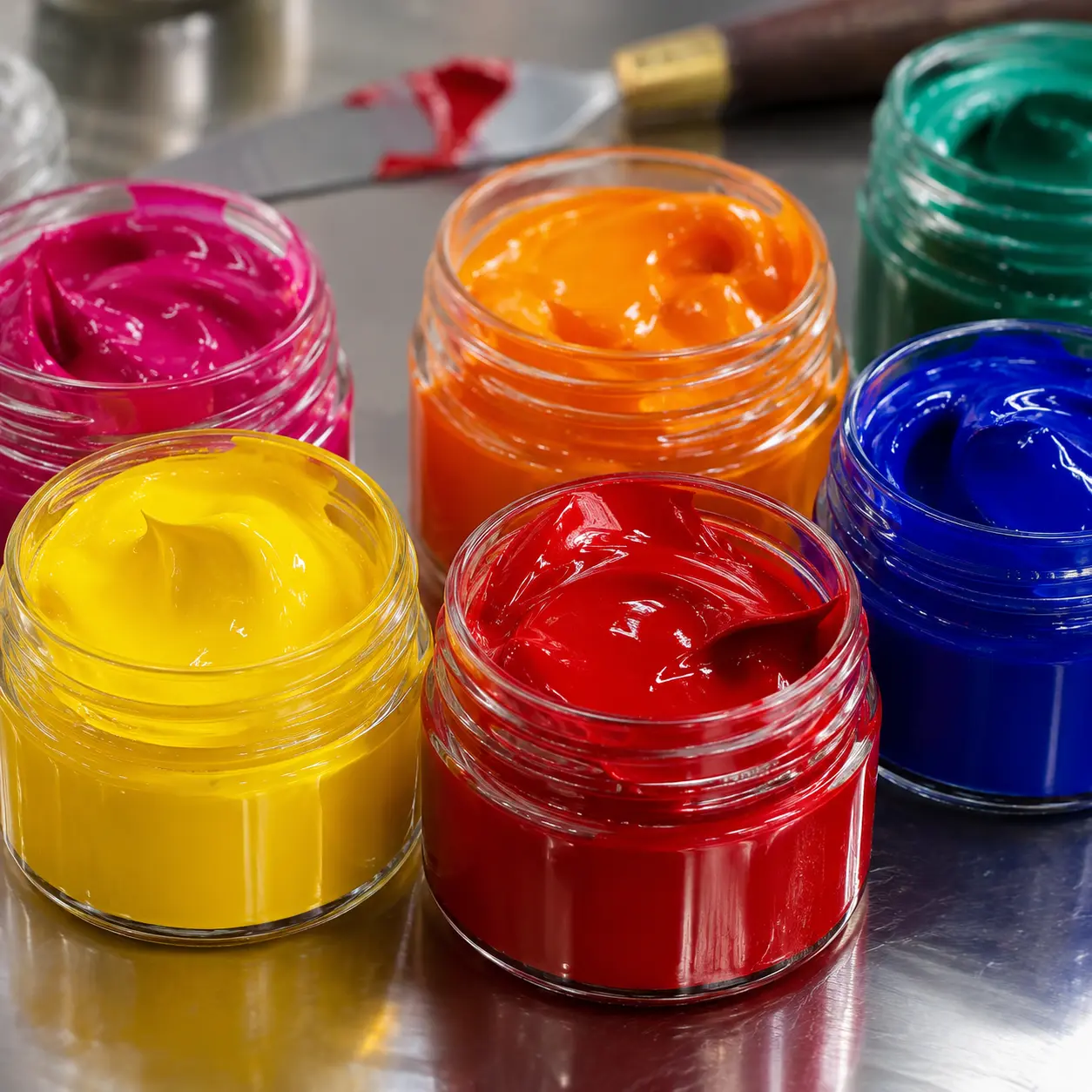
Powder pigments are supplied in a concentrated solid form and can be incorporated into different manufacturing formulations. Liquid pigment systems are dispersed in a carrier medium and may offer easier dosing in certain production processes.
The right choice depends on production equipment, processing requirements, storage conditions and the desired coloring performance.
What Factors Affect Powder Pigment Prices?
Powder pigment prices vary depending on several factors, including chemical composition, color type, technical performance, manufacturing technology and order quantity.
Organic pigments, inorganic pigments, special effect pigments and fluorescent pigments have different production processes and cost structures.
When purchasing powder pigments, it is important to evaluate not only the price per kilogram but also color strength, dosage requirements and overall performance in the manufacturing process.
Tüver Pigment – Your Powder Pigment Supplier
At Tüver Pigment, we supply powder pigments for a wide range of industrial applications, including plastics, paints, coatings, rubber and other manufacturing sectors.
Our product portfolio includes organic pigments, inorganic pigments, pearl and effect pigments, fluorescent pigments and phosphorescent pigments, offering solutions for different industrial coloring requirements.
We focus on helping manufacturers identify suitable pigments by considering color requirements, heat resistance, dispersion performance and application compatibility.
If you are looking for a reliable powder pigment supplier, contact Tüver Pigment to explore our product range and request information about suitable pigment solutions for your production needs.
Tüver Pigment – Your Color Partner in Manufacturing.
Frequently Asked Questions About Powder Pigments
What are powder pigments used for?
Powder pigments are used in plastics, paints, rubber, textiles, epoxy systems, coatings, printing inks and many other industrial applications.
Which powder pigment is the best?
The best powder pigment depends on the intended application and technical requirements. Heat resistance, color strength, lightfastness and dispersion performance should be evaluated together.
How are powder pigment prices determined?
Prices depend on pigment type, chemical composition, technical specifications, order quantity and supply conditions.
Can powder pigments be used in plastic manufacturing?
Yes. Organic and inorganic powder pigments can be used in plastics and masterbatch production, provided they are compatible with the polymer type and processing temperatures.
What should I consider when buying powder pigments?
Important factors include application requirements, desired color, technical specifications, dosage, dispersion performance and supply continuity.