Resource Center
October 21, 2026
Organic Pigments: Types, Properties and Industrial Applications
Organic pigments are colorants widely used in industries such as plastics, paints, coatings and printing inks. Their vibrant colors, strong tinting properties and broad range of available shades make them valuable in many manufacturing processes. However, selecting the right organic pigment requires more than matching a color. Factors such as heat resistance, lightfastness, dispersion and application requirements must also be considered.
In this guide, we explain what organic pigments are, explore their main types and applications, and outline the key factors to consider when choosing the right pigment for your production needs.
1. What Are Organic Pigments?
Organic pigments are carbon-based colorants used to give color to various materials. Unlike soluble dyes, pigments generally remain insoluble in the medium in which they are used and must be properly dispersed to achieve the desired color.
Organic pigments are widely used in paint and coating production, plastic coloring, printing inks and textile applications. Their performance varies depending on their chemical structure, commercial grade and intended use. Therefore, the final application and processing conditions should always be considered when selecting a pigment.
2. What Are the Main Types of Organic Pigments?
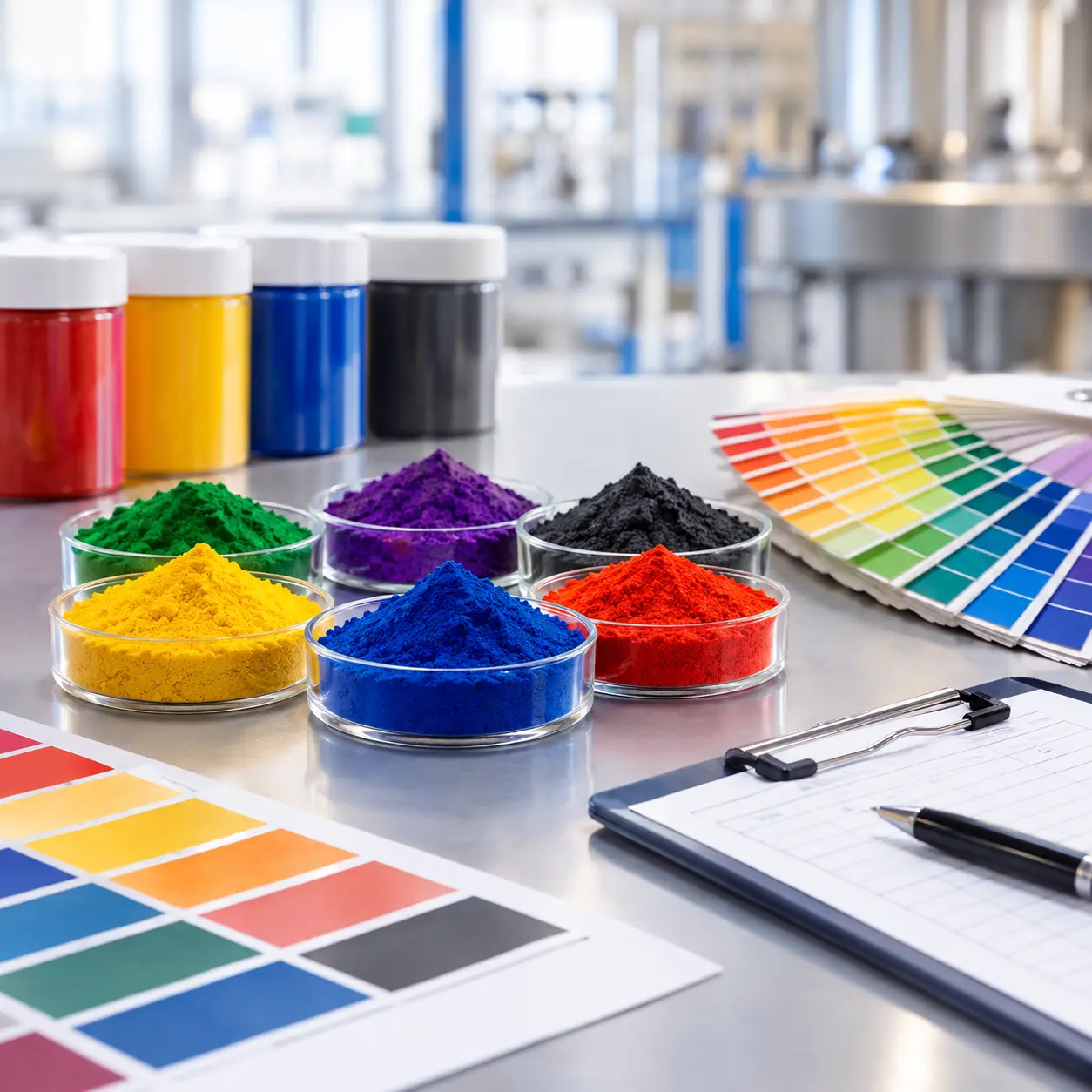
Organic pigments are available in a wide range of colors and chemical families. The main color groups used in industrial applications include:
- Yellow organic pigments: Used to achieve bright yellow shades in paints, plastics and printing inks.
- Red organic pigments: Available in different red shades, with varying tinting strength and performance characteristics.
- Blue organic pigments: Used to produce blue and navy shades and to create a variety of color combinations.
- Green organic pigments: Used in industrial formulations that require green coloration.
- Orange and violet organic pigments: Suitable for specialized color requirements and a wide range of color formulations.
Choosing the right pigment depends on the required shade, processing conditions and desired performance. You can explore the available organic pigment products to compare options for your application.
3. Key Properties of Organic Pigments
Organic pigments are selected according to their color performance and suitability for the intended application. Their key properties include:
- Vibrant colors: Many organic pigments provide bright, saturated shades.
- Tinting strength: The coloring power of a pigment can influence the amount required in a formulation.
- Wide color range: Different pigment grades are available in yellow, red, blue, green and other shades.
- Application-specific performance: Lightfastness, heat resistance and chemical resistance vary by pigment type and grade.
- Formulation compatibility: Compatibility with the binder, polymer or other components is essential for consistent results.
These properties are not identical across all organic pigments. Before making a purchasing decision, review the relevant technical data and conduct sample testing when necessary.
4. Industrial Applications of Organic Pigments
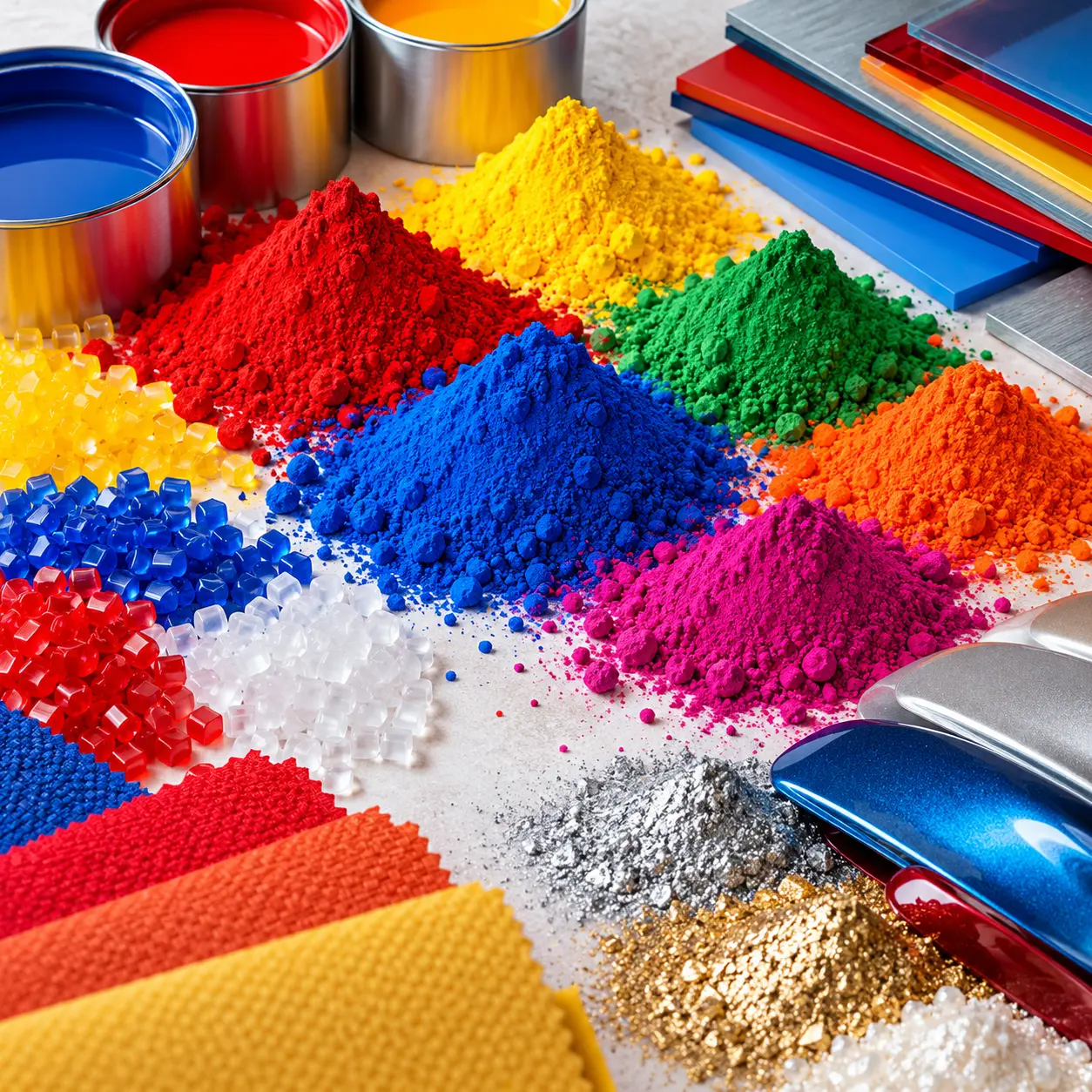
Organic pigments are used in a wide range of manufacturing processes to meet different color and performance requirements. Selecting the right pigment can influence the appearance, color consistency and durability of the finished product.
4.1. Paints and Coatings
Organic pigments are used in decorative paints, industrial coatings and various surface finishing products. Important selection criteria include color shade, opacity, lightfastness and compatibility with the binder system.
4.2. Plastics and Masterbatch Production
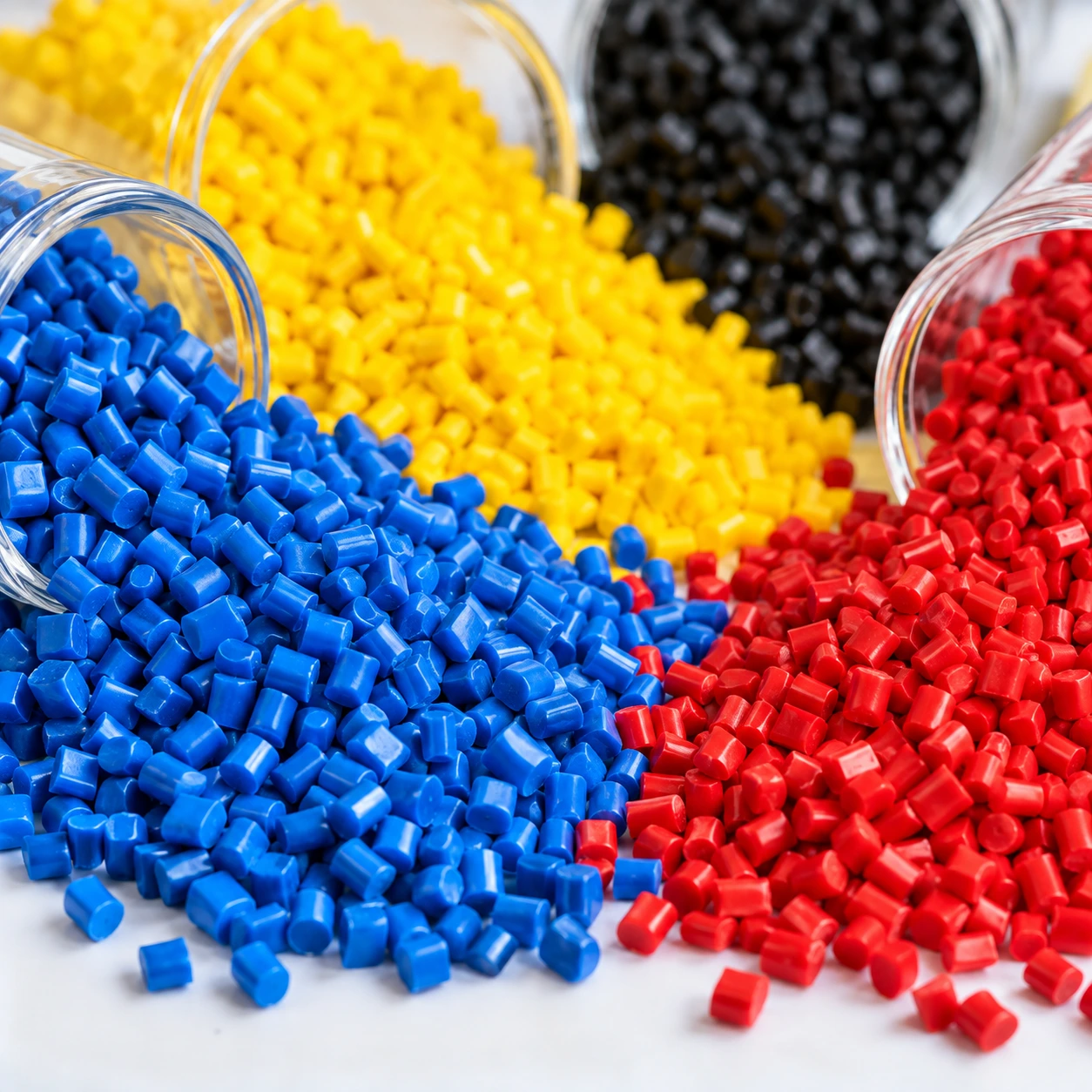
Organic pigments used in plastic coloring must be suitable for the polymer type and processing temperature. In masterbatch production, tinting strength, dispersion quality and color consistency are particularly important.
The pigment should be selected according to the manufacturing process and the intended use of the finished plastic product.
4.3. Printing Inks
Organic pigments are widely used in packaging inks and industrial printing applications to achieve vibrant colors. Key considerations include tinting strength, dispersion, compatibility with the printing system and the required durability.
4.4. Textile and Rubber Applications
In textile and rubber applications, pigment selection depends on the manufacturing method and the desired color performance. Compatibility with the application system, processing conditions and the environmental conditions faced by the finished product should all be considered.
5. How to Choose the Right Organic Pigment
Choosing the right organic pigment is essential for achieving consistent color and reducing potential quality issues during production. Before purchasing, consider the following factors:
- Color shade: Check whether the pigment matches the required color and reference sample.
- Tinting strength: Evaluate the amount of pigment needed to achieve the target color intensity.
- Heat resistance: For plastic applications, verify that the pigment is suitable for the processing temperature.
- Lightfastness: Determine the required resistance to light exposure, particularly for products used outdoors.
- Dispersion: Ensure that the pigment can be distributed effectively throughout the intended system.
- Technical documentation: Review the available technical data sheets and relevant product documentation.
- Sample testing: Whenever possible, test the pigment under actual production conditions before making a final decision.
Not every organic pigment is suitable for every application. Rather than choosing solely on price or appearance, evaluate the full set of technical requirements for your product.
6. Organic Pigments vs. Inorganic Pigments
The main differences between organic and inorganic pigments relate to their chemical structures, color characteristics and performance in specific applications. Organic pigments often offer vibrant, saturated shades, while some inorganic pigments can provide advantages in areas such as heat resistance or opacity.
These characteristics vary by pigment type and grade. The best choice depends on the technical requirements of the finished product.
| Feature | Organic Pigments | Inorganic Pigments |
|---|---|---|
| Color range | Often vibrant and saturated shades | Broad range of shades, depending on the pigment |
| Heat resistance | Varies by pigment grade | Can be high for many types |
| Tinting strength | Can be high for many types | Depends on the pigment and application |
| Selection criteria | Color, durability and system compatibility | Color, opacity, durability and system compatibility |
For more information about inorganic colorants, explore our range of inorganic pigments.
7. Common Mistakes When Using Organic Pigments
Choosing an unsuitable organic pigment can lead to color variations, reduced performance and additional production costs. The following mistakes should be avoided:
- Choosing based on price alone: A lower-cost pigment may increase overall production costs if it fails to meet technical requirements.
- Ignoring heat resistance: Pigments that are unsuitable for plastic processing temperatures may experience unwanted color changes.
- Overlooking dispersion: Poor dispersion can reduce tinting performance and affect the appearance of the finished product.
- Skipping sample tests: Pigment performance should be evaluated under actual production conditions whenever possible.
- Neglecting technical documentation: Product specifications and recommended application conditions should be checked before use.
8. How to Choose an Organic Pigment Supplier
Selecting an organic pigment supplier involves more than comparing product prices. Product availability, technical support, consistent quality and the ability to recommend suitable pigments are also important considerations.
When evaluating a supplier, consider the following factors:
- Availability of the required colors and pigment types.
- Access to technical information and product documentation.
- Support with sample testing and color evaluation.
- Reliable product quality and supply continuity.
- Assistance in matching pigment properties to specific production requirements.
Tüver Pigment supplies pigment and colorant options for a range of industrial applications. Explore the available products on the Tüver Pigment product page.
9. Frequently Asked Questions About Organic Pigments
Where are organic pigments used?
Organic pigments are used in paints, coatings, plastics, masterbatch, printing inks, textiles and certain rubber applications. Suitability depends on the pigment grade and the production system.
What is the difference between an organic pigment and paint?
An organic pigment is a colorant used to provide color. Paint is a formulated product that may contain pigments, binders, solvents and other additives.
Are organic pigments heat-resistant?
Heat resistance varies according to the pigment's chemical structure and commercial grade. For plastic manufacturing, the pigment must be suitable for the actual processing temperature and conditions.
What is the most important factor when selecting an organic pigment?
No single factor applies to every application. Color shade, tinting strength, heat resistance, lightfastness, dispersion and compatibility with the intended system should be evaluated together.
Should organic pigments be tested before purchasing?
Yes. Sample testing helps determine whether a pigment meets the required color and performance expectations under actual formulation and production conditions.
Conclusion
Organic pigments play an important role in many industries by providing a wide range of color options for different manufacturing needs. However, selecting the right product requires more than matching a color. Heat resistance, lightfastness, tinting strength, dispersion and formulation compatibility should all be considered.
To explore available options for your manufacturing requirements, visit our organic pigments category and compare products according to your application's technical needs.